Nutritional Considerations for Men's Well-being
Explore specific nutritional principles and dietary approaches that support men's general health, energy, and quality of life.

Energy and Performance Through Nutrition
Men's daily energy demands are influenced by activity levels, occupation, and lifestyle choices. Proper nutrition ensures adequate fuel for sustained performance throughout the day.
Sustaining Energy Levels
Combining protein with complex carbohydrates at each meal maintains stable blood glucose and prevents energy crashes. This balanced approach supports consistent mental clarity and physical capability for whatever activities the day includes.
Pre-Activity Nutrition
Consuming carbohydrates and some protein before exercise provides accessible energy. Post-activity, combining protein and carbohydrates supports muscle function and replenishes glycogen stores.
Daily Timing Patterns
Eating regular, balanced meals rather than skipping meals and overcompensating later supports optimal energy. Distributing protein intake across meals supports steady amino acid availability for various physiological processes.
Individual activity levels and schedules vary significantly. The principle of consistent, nutrient-dense eating adapts to different daily rhythms and commitments.
Muscle Maintenance and Protein
Muscle tissue requires consistent protein intake to maintain mass and function. Whether seeking to maintain current muscle or support physical training, adequate protein is fundamental.
Protein Requirements
General guidelines suggest approximately 0.8-1.0 grams of protein per kilogram of body weight daily for sedentary individuals. Those engaging in regular physical activity may benefit from higher intake, distributed across multiple meals.
Protein Quality and Variety
Complete proteins contain all essential amino acids. Animal sources like meat, fish, eggs, and dairy provide complete proteins. Plant-based combinations of legumes and grains also create complete protein profiles.
Timing and Distribution
Distributing protein intake throughout the day—approximately 20-40 grams per meal—supports consistent amino acid availability. This approach supports muscle protein synthesis more effectively than consuming large protein amounts in single meals.
Adequate hydration and overall caloric balance amplify the benefits of protein consumption. Protein works optimally within the context of comprehensive nutrition.

Healthy Aging Through Nutrition
Nutritional choices across decades influence long-term health trajectory. Establishing consistent healthy eating patterns supports resilience and functional capacity as men age.
Nutrient Density Over Time
As metabolism changes across the lifespan, nutrient-dense foods become increasingly important. Prioritizing foods with high nutrient concentration relative to calories supports nutritional adequacy with lower overall caloric intake.
Cardiovascular Health
Heart health depends on balanced nutrition. Limiting saturated fat, incorporating omega-3 rich fish, consuming whole grains and vegetables, and maintaining healthy sodium intake support cardiovascular function throughout life.
Bone Health
While osteoporosis affects men less frequently than women, bone density maintenance remains important. Adequate calcium, vitamin D, protein, and weight-bearing activity support bone strength and fracture resistance.
Brain Function
Antioxidant-rich foods, healthy fats, and adequate B vitamins support cognitive function. Mediterranean-style eating patterns—emphasizing vegetables, fish, whole grains, and healthy fats—show associations with cognitive preservation.
Consistent healthy choices compound over time. Establishing sustainable eating patterns now supports well-being across all life stages.
Key Micronutrients for Men
Beyond macronutrients, specific vitamins and minerals support men's daily functioning and long-term health.
Vitamin D
Beyond bone health, vitamin D supports immune function and mood. Limited sun exposure during working years makes dietary sources and sunlight exposure important for many men. Fatty fish, fortified dairy, and egg yolks provide dietary vitamin D.
Vitamin B12
Supports nervous system function and energy metabolism. Found primarily in animal products, B12 becomes increasingly important to monitor as men age. Vegetarians and vegans should consider reliable sources including fortified foods or supplements.
Zinc
Supports immune function and various metabolic processes. Men require adequate zinc from dietary sources including meat, shellfish, legumes, seeds, and nuts. Adequate intake supports general wellness and immune capacity.
Magnesium
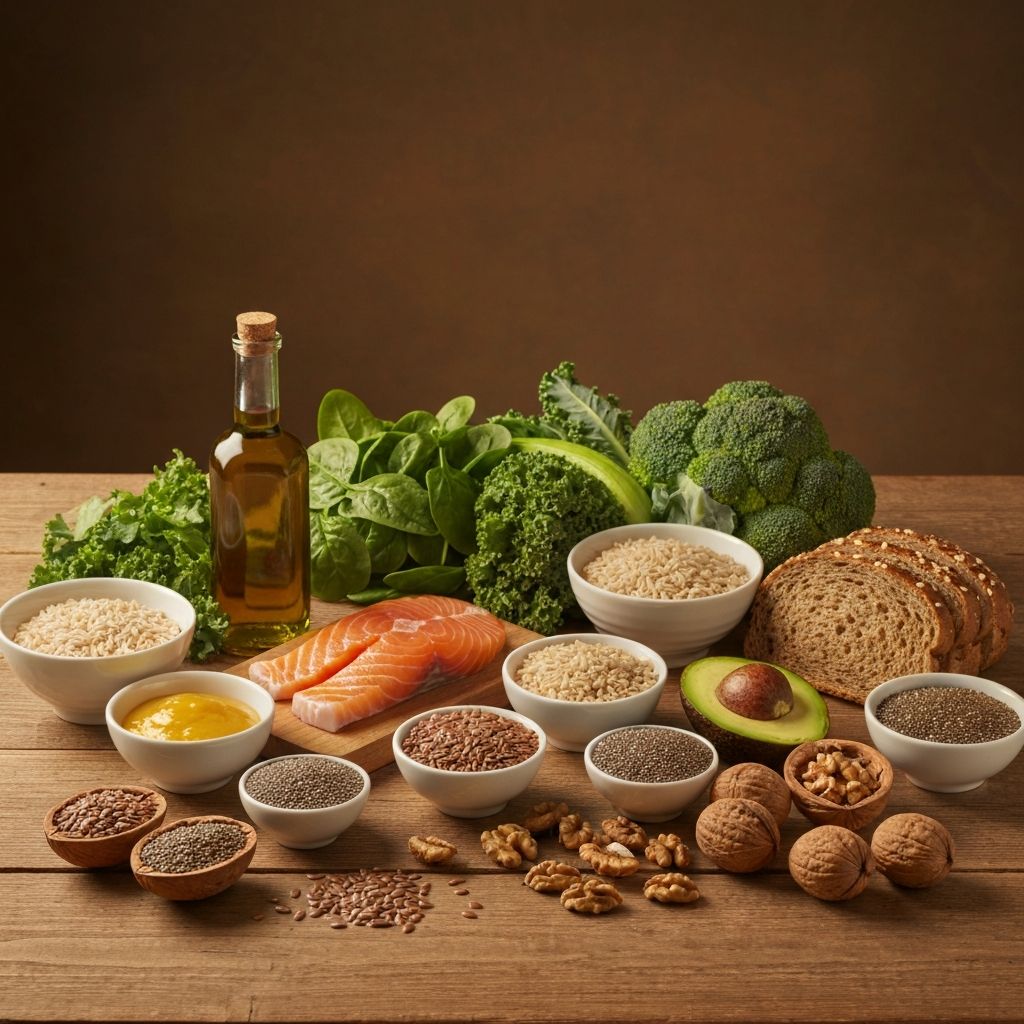
Supports muscle function, energy production, and sleep quality. Many men consume insufficient magnesium. Dark leafy greens, legumes, seeds, nuts, and whole grains provide this mineral.
Omega-3 Fatty Acids
Support cardiovascular and brain health. Fatty fish like salmon and mackerel, flaxseeds, chia seeds, and walnuts provide omega-3s. These healthy fats reduce inflammation and support various physiological systems.
Selenium
Supports thyroid function and acts as an antioxidant. Brazil nuts provide abundant selenium; fish, poultry, and whole grains also contribute. Adequate intake supports metabolic function and immune health.
Informational Content - Important Context
Educational content only. No promises of outcomes.
This page provides general educational information about nutritional considerations specific to men's well-being. The content is informational and should not be considered medical advice, diagnosis, or treatment recommendations.
Individual nutritional needs vary based on age, activity level, health status, and personal circumstances. The information presented represents general principles, not personalized recommendations. Individuals with specific health concerns should consult with qualified healthcare professionals.
This site does not make promises regarding specific health outcomes or guarantee results from dietary changes. Nutritional choices should align with individual circumstances and professional guidance when appropriate.
Continue Your Learning
Explore frequently asked questions or return home to deepen your understanding of nutritional principles.
View FAQ