Understanding Nutritional Principles and Vitamins for Male Well-being
Explore the science of balanced nutrition and discover how essential nutrients support overall health and daily vitality.

The Fundamentals of Male Nutrition
Balanced nutrition forms the foundation of optimal health and well-being. Understanding the basic principles of diet and how different nutrients influence bodily functions is essential for making informed dietary choices.
A well-structured diet provides the energy needed for daily activities, supports immune function, and contributes to long-term health stability. The relationship between food intake and overall wellness affects not only physical energy levels but also mental clarity and daily performance.
The science of nutrition demonstrates that variety in food choices ensures comprehensive nutrient intake. Different foods contain distinct combinations of vitamins, minerals, and other beneficial compounds that work synergistically to support various bodily processes.

Key Vitamins for Men's Vitality
Vitamins are essential organic compounds that regulate numerous bodily functions. Each vitamin plays a specific role in supporting energy production, immune defense, and cellular function.
Vitamin D
Vitamin D supports bone health, immune function, and mood regulation. Natural sources include fatty fish, egg yolks, and fortified dairy products. Sun exposure also stimulates vitamin D synthesis in the skin.
B Vitamins
The B-complex vitamins—including B6, B12, and folate—are crucial for energy metabolism and nervous system function. They help convert food into usable energy and support cognitive performance. Sources include whole grains, legumes, poultry, and leafy greens.
Vitamin C
Essential for immune support and collagen formation, vitamin C is found abundantly in citrus fruits, berries, bell peppers, and broccoli. It also acts as an antioxidant, protecting cells from oxidative stress.
Vitamin E
This fat-soluble vitamin functions as an antioxidant and supports cardiovascular health. Nuts, seeds, vegetable oils, and leafy greens are excellent dietary sources.

Minerals Essential for Well-being
Minerals are inorganic substances that support numerous physiological processes. Unlike vitamins, minerals are not broken down during digestion and maintain their chemical structure throughout the body.
Zinc
Zinc supports immune function, wound healing, and protein synthesis. Rich sources include oysters, beef, legumes, seeds, and nuts. This mineral is particularly important for maintaining immune competence.
Magnesium
Essential for muscle relaxation, energy production, and nervous system regulation, magnesium is found in dark leafy greens, legumes, seeds, nuts, and whole grains. Many individuals benefit from adequate magnesium intake for general wellness.
Iron
Iron is necessary for oxygen transport throughout the body. Red meat, poultry, legumes, fortified cereals, and leafy greens provide both heme iron (more readily absorbed) and non-heme iron sources.
Selenium
This trace mineral supports thyroid function and acts as an antioxidant. Brazil nuts, fish, poultry, and whole grains are good dietary sources.

Understanding Macronutrients
Macronutrients—proteins, carbohydrates, and fats—are the primary components of food that provide energy and building blocks for bodily structures.
Proteins
Proteins are composed of amino acids that build and repair muscles, enzymes, hormones, and antibodies. Sources include meat, fish, poultry, eggs, legumes, dairy, nuts, and seeds. Consuming adequate protein throughout the day supports muscle maintenance and metabolic function.
Carbohydrates
Carbohydrates are the body's primary energy source. Complex carbohydrates—found in whole grains, legumes, and vegetables—provide sustained energy and dietary fiber. Simple carbohydrates from fruits and honey offer quick energy but are best balanced with other nutrients.
Fats
Dietary fats support hormone production, nutrient absorption, and brain health. Healthy unsaturated fats from olive oil, avocados, nuts, and fatty fish provide benefits for cardiovascular and cognitive function. Saturated fats should be consumed in moderation as part of a balanced diet.
The Role of Hydration
Water is fundamental to every biological process. Proper hydration supports nutrient transport, temperature regulation, waste elimination, and joint lubrication. The amount of water an individual needs varies based on activity level, climate, and overall health status.
Adequate hydration enhances physical performance, supports cognitive function, and aids digestion. Beyond water itself, many foods—particularly fruits and vegetables—contribute significant water content to daily intake. Listening to thirst cues and maintaining consistent fluid intake throughout the day supports optimal bodily function.
While individual hydration needs differ, current guidelines suggest examining personal hydration status through basic indicators like urine color and thirst perception, rather than adhering to rigid daily quotas.

Food Sources for Sustained Energy
Sustained energy comes from balanced meals containing protein, healthy fats, and complex carbohydrates. This combination slows nutrient absorption and prevents rapid blood sugar fluctuations that can lead to energy crashes.
Whole Grains
Oats, quinoa, brown rice, and whole wheat provide complex carbohydrates and fiber that release energy gradually. They also contain B vitamins essential for energy metabolism.
Legumes
Beans, lentils, and chickpeas offer plant-based protein, fiber, and minerals. They are cost-effective, nutrient-dense foods that support sustained energy and satiety.
Nuts and Seeds
Almonds, walnuts, chia seeds, and flaxseeds combine healthy fats, protein, and fiber. Their nutrient density makes them excellent additions to meals or snacks.
Quality Proteins
Fish, lean meats, eggs, and dairy products provide amino acids necessary for muscle maintenance and various metabolic functions. Including protein at each meal helps maintain stable energy throughout the day.
Dietary Fiber Importance
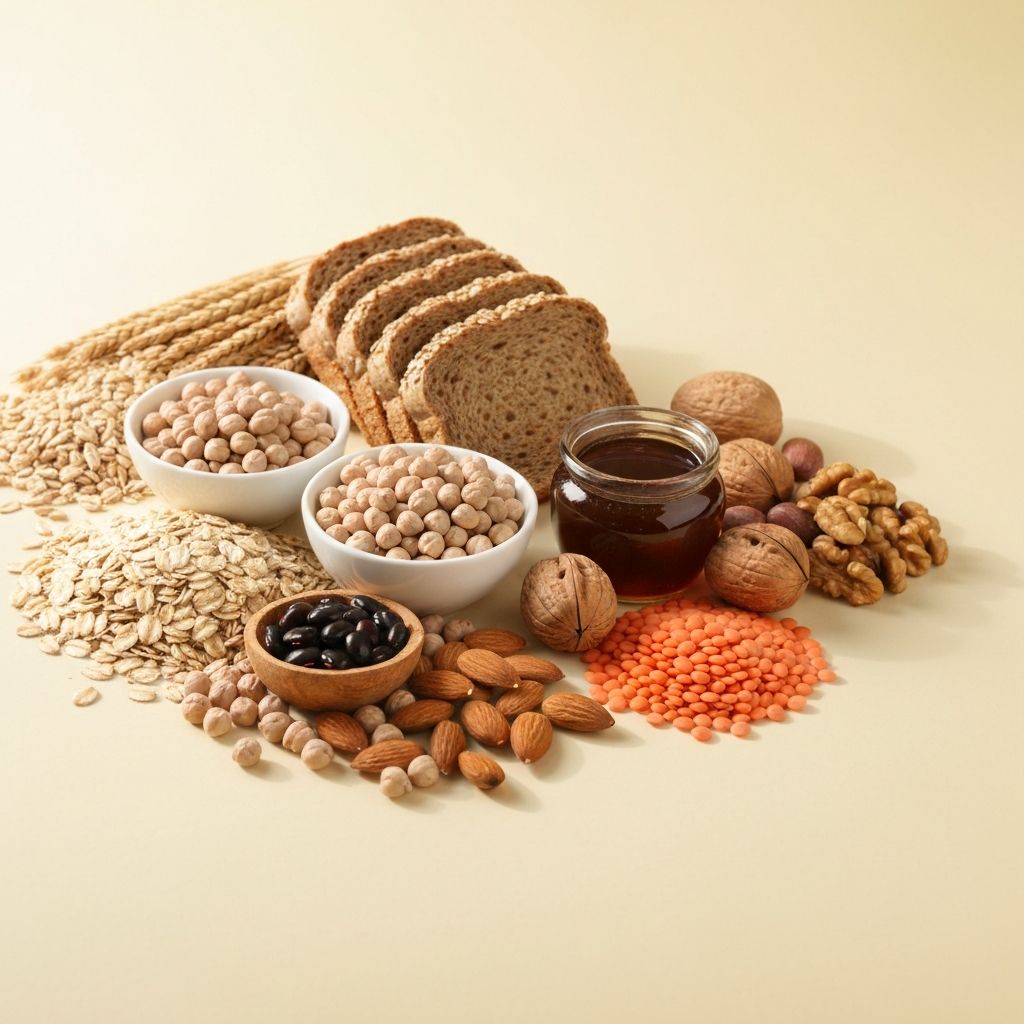
Dietary fiber is a carbohydrate component that the body cannot fully digest. Rather than being absorbed for energy, fiber passes through the digestive system, providing numerous health benefits.
Fiber supports healthy digestion by promoting regular bowel movements and feeding beneficial gut bacteria. It also contributes to satiety, helping individuals feel satisfied with smaller portions. Soluble fiber, found in oats, legumes, and apples, can help maintain healthy cholesterol levels. Insoluble fiber, present in whole grains, vegetables, and wheat bran, supports digestive regularity.
Gradually increasing fiber intake while maintaining adequate hydration ensures comfortable digestive adjustment. Most whole plant-based foods naturally contain beneficial fiber without the need for concentrated supplements.
Antioxidants and Male Health
Antioxidants are compounds that protect cells from damage caused by free radicals—unstable molecules produced during normal metabolism and exposure to environmental stressors.
Understanding Oxidative Stress
While free radicals are normal byproducts of cellular function, excessive accumulation can contribute to cellular aging and dysfunction. Antioxidants help neutralize these molecules, supporting cellular health.
Natural Antioxidant Sources
Berries, dark leafy greens, tomatoes, nuts, and dark chocolate contain significant antioxidant compounds. Polyphenols in tea, resveratrol in grapes, and lycopene in tomatoes exemplify the diverse antioxidant compounds found in whole foods.
A diet rich in colorful fruits and vegetables naturally provides a broad spectrum of antioxidants. Rather than seeking concentrated extracts, consuming whole foods ensures the synergistic benefits of multiple compounds working together.

Building a Balanced Plate
A balanced meal incorporates all major nutrient groups in appropriate proportions. The concept of a "balanced plate" provides a practical visual framework for structuring meals that support optimal nutrition.
The Plate Model
A simple approach suggests dividing a plate into sections: approximately half vegetables and fruits, one quarter whole grains or starchy vegetables, and one quarter protein-rich foods. This model adjusts for individual needs and food preferences while ensuring nutritional completeness.
Practical Application
Building meals around this framework ensures diverse nutrient intake. Starting with vegetables and whole grains, then adding a protein source, naturally creates balanced meals without requiring precise calculations. Adding healthy fats through cooking methods or toppings completes the nutritional profile.
Individual nutrient needs vary based on age, activity level, health status, and personal goals. The balanced plate concept serves as a general guideline rather than a rigid prescription.

Lifestyle Factors for Wellness
Nutrition works synergistically with other lifestyle elements to support overall well-being. While food choices are foundational, complementary habits amplify health benefits.
Sleep Quality
Adequate, consistent sleep supports metabolic health, hormone regulation, and cognitive function. Sleep deprivation can affect hunger hormones and food choices. Most adults benefit from 7-9 hours of quality sleep nightly.
Physical Activity
Regular movement supports cardiovascular health, muscle maintenance, bone density, and mental wellness. Combining cardiovascular exercise with strength training and flexibility work creates comprehensive fitness benefits.
Stress Management
Chronic stress can affect digestion, nutrient absorption, and food choices. Practices like meditation, time in nature, and social connection support nervous system regulation and overall health resilience.
Navigating Dietary Myths
Nutritional information is frequently subject to oversimplification, marketing claims, and outdated interpretations. Understanding the difference between evidence-based information and common misconceptions supports informed decision-making.
Myth: All Fats Are Harmful
Reality: Healthy unsaturated fats from nuts, seeds, avocados, and fish support heart and brain health. The type of fat, not merely the quantity, affects health outcomes.
Myth: Carbohydrates Should Be Eliminated
Reality: Complex carbohydrates from whole grains, legumes, and vegetables provide essential fiber, vitamins, and sustained energy. The quality and proportion of carbohydrates matter more than their presence.
Myth: Skipping Meals Promotes Weight Management
Reality: Regular eating patterns support stable blood sugar and metabolism. Skipping meals often leads to increased hunger and potential overeating later.
Myth: Organic Foods Are Always Nutritionally Superior
Reality: Conventional and organic produce offer similar nutritional value. Access to any vegetables and fruits, grown through any method, supports dietary quality better than food avoidance based on production method.

The Science of Digestion
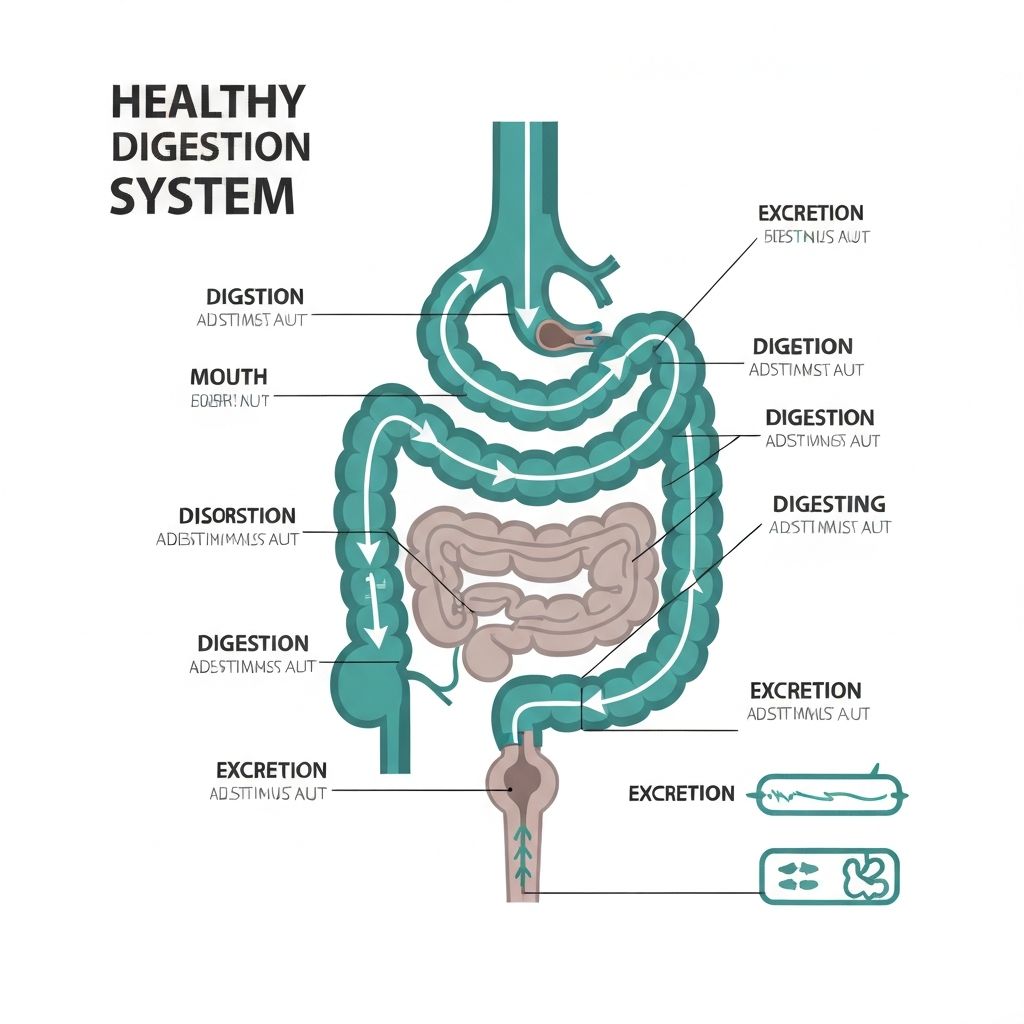
Understanding how the body processes food clarifies why nutrition fundamentals matter. Digestion is a complex process that begins in the mouth and continues through the entire gastrointestinal tract.
The Digestive Process
When food is consumed, saliva initiates carbohydrate breakdown in the mouth. The stomach then churns food with gastric juices, breaking down proteins. The small intestine continues this process with enzymes from the pancreas and bile from the liver, enabling nutrient absorption. The large intestine absorbs water and supports bacterial fermentation of indigestible fiber.
Nutrient Absorption
Different nutrients are absorbed at different sites within the digestive tract. Vitamin B12, for example, requires specific stomach acid and intrinsic factor for absorption. Fat-soluble vitamins require adequate dietary fat for absorption. Mineral absorption is influenced by various dietary components and individual digestive health.
This complexity explains why whole foods, consumed in varied combinations, support nutrient absorption more effectively than isolated nutrients.
Informational Content - Important Context
Educational content only. No promises of outcomes.
This website provides general educational information about nutrition and nutritional principles for male well-being. The content is informational in nature and should not be considered medical advice, diagnosis, treatment recommendations, or prescriptions.
Individual nutritional needs vary significantly based on age, activity level, health status, metabolism, and personal circumstances. What constitutes optimal nutrition differs among individuals. The information presented does not serve as a replacement for personalized consultation with qualified healthcare or nutrition professionals.
This site does not make promises regarding specific health outcomes or guarantee results. Dietary choices are personal decisions that should align with individual circumstances and professional guidance when appropriate.
Deepen Your Understanding
Explore additional resources on this site to expand your knowledge about nutritional principles and male wellness through our dedicated sections.
Explore More Content